
Why Your Rug Still Smells After Vacuuming
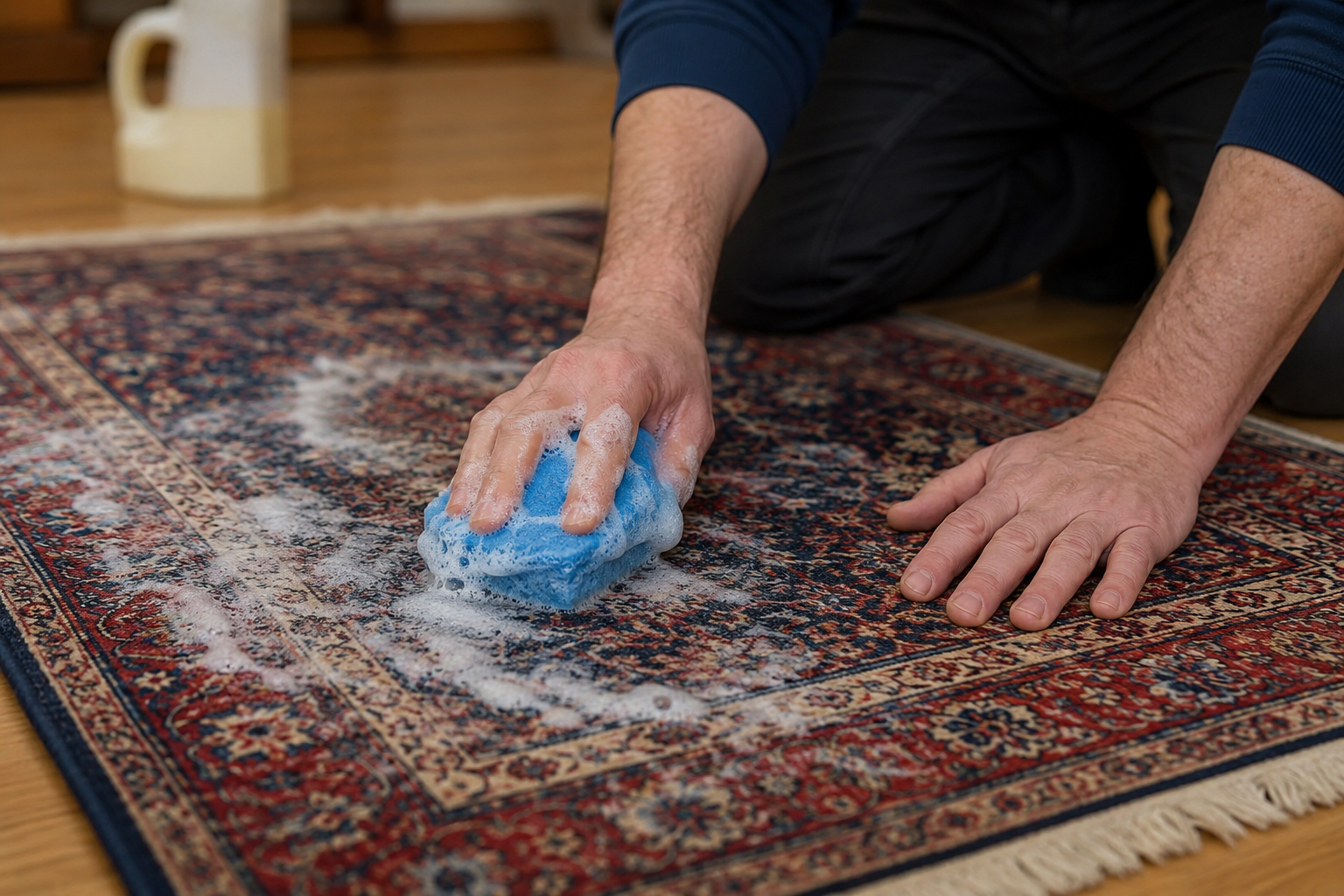
A rug can look clean on the surface but still hold unpleasant odours deep inside the fibres. Many homeowners vacuum regularly and still notice smells coming from their rug, especially in wool rugs, Persian rugs, Oriental rugs, antique rugs and handmade rugs. This is because vacuuming only removes loose surface dust. It does not fully remove the deep contamination trapped inside the pile and foundation.
If your rug still smells after vacuuming, the cause is usually hidden below the surface. Pet odour, urine, food spills, dampness, dust, bacteria and old stains can settle deep into the rug. Over time, these odours become stronger, particularly in warm rooms or when the rug has been exposed to moisture.
At Rugmaster, we provide specialist rug cleaning in London for Persian rugs, Oriental rugs, wool rugs, silk rugs, kilims, antique rugs and handmade rugs. Our cleaning process is designed to remove deep dust, odour and contamination safely, without damaging delicate fibres or unstable dyes.
Why Vacuuming Is Not Enough
Vacuuming is useful for regular maintenance, but it cannot clean the full structure of a handmade rug. A Persian or Oriental rug is not like a fitted carpet. It has pile, knots, foundation threads, fringes and side cords. Dust and odour can become trapped between these layers.
When a rug is walked on, fine dust and grit are pushed deeper into the foundation. This can make the rug smell stale, even after vacuuming. In some cases, the dust also starts to damage the fibres from within.
This is why Rugmaster often recommends professional rug dusting before washing. Dusting helps remove dry soil, grit and fine particles that ordinary vacuuming cannot reach.
Common Reasons Rugs Smell
There are several reasons a rug may continue to smell even after cleaning at home.
Pet Odour and Urine
Pet accidents are one of the most common causes of rug odour. Urine can soak through the pile and reach the foundation of the rug. Once it dries, crystals and bacteria remain inside the fibres. Sprays and surface cleaners may temporarily mask the smell, but they rarely remove the source.
For rugs affected by pet odour, a full specialist wash is often required. Rugmaster’s professional rug cleaning service helps remove contamination from deep within the rug.
Damp and Musty Smells
A damp or musty smell usually means the rug has absorbed moisture. This can happen after a spill, leak, flood, poor drying, or storage in a damp room. Moisture trapped inside a rug can lead to mildew, dye movement and fibre weakness.
If your rug smells damp, it should be professionally inspected as soon as possible. Leaving moisture inside the rug can lead to further damage.
Food and Drink Spills
Food, wine, coffee, tea and other spills can leave residue inside the rug. Even when the visible stain has faded, the smell can remain. Sugary drinks and milk-based spills are especially problematic because they can sour inside the fibres.
If there is staining as well as odour, Rugmaster may recommend both rug cleaning and, where needed, rug colour restoration.
Dust and Everyday Use
Even without pets or spills, rugs naturally collect dust, skin particles, pollen and household debris. Over time, this can create a stale smell. Handmade rugs with dense pile can hold much more dust than people realise.
Professional cleaning removes this build-up and helps refresh the rug properly.
Why Handmade Rugs Need Specialist Cleaning
Handmade rugs need specialist care because their fibres and dyes can be sensitive. A Persian rug, Oriental rug, Afghan rug, Turkish rug, wool rug or silk rug should not be treated with standard carpet cleaning methods.
Machine cleaning, harsh chemicals or too much moisture can cause colour bleeding, shrinkage, fibre distortion or foundation damage. This is especially risky with antique rugs and rugs with natural dyes.
Rugmaster offers specialist Persian and Oriental rug cleaning in London, using a careful process designed for handmade and valuable rugs.
The Rugmaster Cleaning Process
Every rug is inspected before cleaning. This allows our team to check the material, condition, dyes, fringes, sides and any existing damage.
The process may include:
Initial inspection
Dust removal
Dye stability testing
Specialist washing
Odour neutralisation
Moth-proofing where suitable
Controlled drying
Final grooming and finishing
This process helps remove odour from the rug properly rather than simply masking the smell.
Why Home Cleaning Products Can Make Rug Smells Worse
Many people try supermarket stain removers, carpet sprays or steam cleaners before contacting a specialist. Unfortunately, these products can sometimes make the problem worse.
Some sprays push contamination deeper into the rug. Others leave sticky residue that attracts more dust. Steam cleaning can also cause issues if the rug becomes too wet and is not dried correctly.
With Persian rugs, Oriental rugs and antique rugs, there is also a risk of colour bleeding. If this happens, Rugmaster can assess whether colour bleeding and restoration may help.
When Odour Means the Rug Also Needs Repair
Sometimes a bad smell is linked to structural damage. For example, moth damage, water damage or pet contamination can weaken the pile and foundation. If the rug feels brittle, thin, loose or damaged, cleaning alone may not be enough.
In these cases, Rugmaster can also advise on rug repair and restoration. This may include fringe repair, side-cord repair, hole repair, moth damage restoration or re-piling.
A rug should always be cleaned before certain types of restoration, especially if there is dust, odour or contamination inside the fibres.
Can Professional Rug Cleaning Remove All Smells?
In many cases, professional rug cleaning can significantly reduce or remove unpleasant odours. However, the final result depends on the cause of the smell, how long it has been present, and whether the contamination has affected the foundation.
For example, fresh pet odour is usually easier to treat than old urine damage that has soaked into the structure of the rug. Damp odours may also depend on whether there has been mildew or fibre damage.
This is why inspection is important. Rugmaster can assess the rug and recommend the most suitable cleaning or restoration approach.
Should You Have the Rug Valued Before Cleaning?
If your rug is antique, Persian, silk, rare or inherited, you may also wish to arrange a rug valuation. A valuation can help you understand the rug’s origin, age, condition and approximate value before deciding on cleaning or restoration work.
This is especially useful if the rug has sentimental or financial value.
Professional Rug Cleaning in London
If your rug still smells after vacuuming, it is usually a sign that the odour is trapped deeper inside the rug. Rather than using more sprays or home cleaning products, it is safer to have the rug professionally inspected.
Rugmaster provides specialist rug cleaning, Persian rug cleaning, Oriental rug cleaning, rug dusting, odour removal, moth-proofing, rug restoration and rug valuation services in London and across the UK.
To arrange a quote, please contact Rugmaster with the rug size, photos and details of the odour or staining.