
Comprehensive Guide to Oriental Rug Repairs: Types of Damage, Terminology, and Professional Restoration Techniques
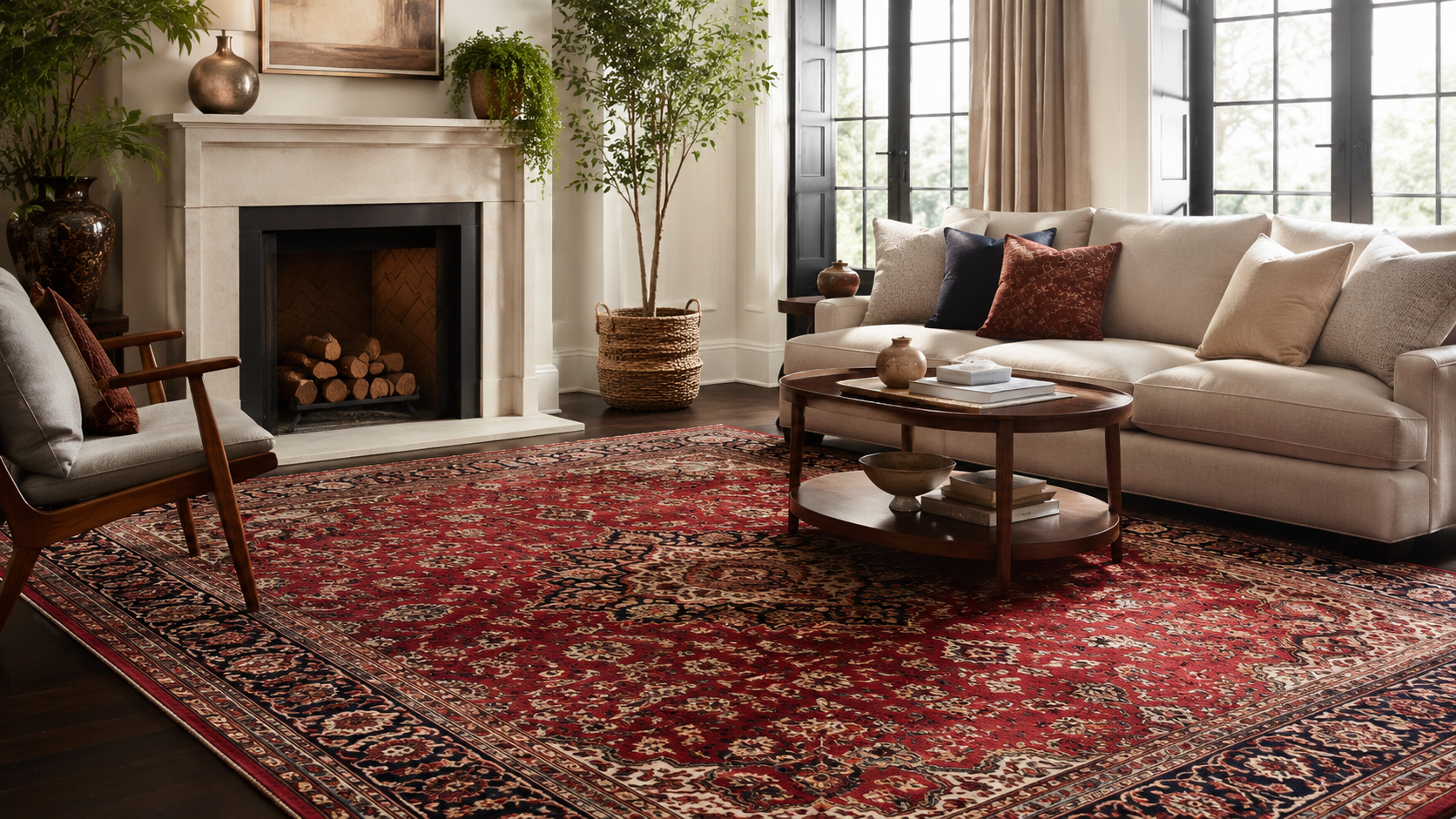
Oriental rugs - whether Persian (Mehrab/Prayer rugs), Turkish, or other hand-knotted masterpieces are more than floor coverings; they are investments in art, history, and craftsmanship. Over time, even the finest rugs suffer from wear, accidents, and environmental factors. Understanding rug anatomy, common damages, and repair options helps you preserve their beauty, structural integrity, and monetary value.
This guide draws from expert notes on rug repairs, covering everything from basic terminology to advanced restoration techniques like reweaving, reknotting, and overcasting.
Why Professional Rug Repair Matters
Before attempting any fixes, get a professional valuation and inspection. Minor issues can escalate quickly with continued foot traffic or improper handling. Repairs done correctly by skilled artisans (matching knots, dyes, and weave) maintain or even restore a rug's value. Poor repairs, however, can diminish it significantly.
Always consult a specialist for:
- Real-time damage assessment
- Valuation and pricing of repairs
- Insurance documentation
Essential Rug Terminology: Know Your Rug's Anatomy
Understanding the parts of your rug is the first step to identifying damage and discussing repairs intelligently.
- Foundation: The structural base consisting of warp (vertical threads) and weft (horizontal threads). Warp threads often become the fringes at the ends.
- Pile: The "woolen part" the visible, knotted surface fibers that create the design and texture. This is the part most affected by foot traffic.
- Knots: The individual ties (Persian/Senneh asymmetrical or Turkish/Ghiordes symmetrical) that secure the pile to the foundation. Knot density (knots per square inch) indicates quality and durability.
- Edges (Selvedge): The finished sides of the rug, often reinforced to prevent fraying.
- Ends/Fringes: Exposed warp threads at the ends, sometimes finished with tassels. These are highly vulnerable.
- Borders and Guard Borders: Decorative bands framing the central field.
- Medallion: The central motif common in many Oriental rugs.
- Nap: The direction in which the pile leans (important for cleaning and appearance).
- Restoration: Returning the rug as closely as possible to its original condition.
- Overcasting: Securing edges or fringes with wrapping threads.
Other key terms include corners, main borders, and selvedge (the reinforced edge finish).
A simple diagram of a rug typically shows:
- Fringes at the bottom
- Guard borders
- Main field with medallion
- Side selvedges
Common Types of Damage to Oriental Rugs
Hand-knotted rugs face several threats. Here's a breakdown of the most frequent issues:
- Surface Wear / Pile Loss Caused by heavy foot traffic, especially in high-traffic areas. Results in flattened or bald spots where the pile wears down to the foundation. High-traffic rugs show accelerated "pile loss."
- Foundation Damage Occurs when warp or weft threads break, compromising the entire structure. This can lead to holes or unraveling if not addressed promptly.
- Edge Damage Selvedges fray, split, or wear thin from vacuuming, dragging, or foot traffic along the sides.
- Fringe Damage Fringes tear, detach, or unravel. This is one of the most common and visible issues, as fringes are fully exposed.
- Holes and Tears Caused by moths, furniture legs, pets, accidents, or dry rot (brittle fibers from age or poor cleaning).
- Moth Damage Larvae eat wool pile, creating irregular bald patches or holes. Often starts in dark, undisturbed areas.
- Dry Rot Fibers become brittle due to age, poor cleaning, or excessive dryness/moisture fluctuations.
- Color Issues
- Bleeding: Dyes run due to water damage or improper cleaning.
- Fading: Caused by prolonged UV light exposure from sunlight.
Prompt attention prevents small problems (like a single hole) from becoming extensive structural failures.
Types of Professional Rug Repairs
Skilled restorers use specialized techniques tailored to the rug's age, origin, material (usually wool pile on cotton foundation), and value.
- Reweaving / Re-piling The gold standard for holes, tears, or missing pile. Artisans rebuild the foundation (re-inserting warp and weft) and hand-tie new knots to match the original pattern, density, and color. This is labor-intensive and ideal for valuable rugs. The "woolen part" (pile) is meticulously recreated.
- Reknotting Similar to reweaving but focused on replacing individual or small areas of pile knots without full foundation reconstruction. Used for surface pile restoration.
- Patching A more cost-effective option for larger damaged areas. A piece from a matching (or sacrificial) rug is inserted and blended. While not invisible like reweaving, skilled work makes it nearly unnoticeable.
- Overcasting Repairing edges by wrapping new threads around the existing selvedge to reinforce and prevent further fraying.
- Fringe Repair
- Re-knotting or rebuilding fringes by reattaching to the original warp.
- Securing loose fringes with string or overcasting.
- Replacing damaged fringes entirely.
- Binding Sewing a fabric strip along worn edges for added support.
- Backing / Burlapping Adding fabric to the back of the rug for extra structural support, especially on brittle or heavily worn pieces. This is often a last-resort measure for very damaged rugs.
For corners (a common weak point), specialists may rebuild the bracket area with matching materials.
Is Repair Worth It? Valuation and Decision-Making
The decision to repair depends on the rug's current market value, sentimental importance, and repair cost. Get a professional appraisal that considers:
- Age, origin, and knot density
- Condition and existing repairs
- Material quality and design rarity
Minor repairs (fringe or edge work) are usually affordable and worthwhile. Extensive reweaving on a low-value rug may exceed replacement cost. However, for high-quality Persian or Turkish pieces, proper restoration often preserves or increases value.
Tip: Address damage early. Continuing to use a rug with holes or frayed edges accelerates deterioration.
Prevention and Maintenance Tips
- Rotate your rug periodically to even out wear.
- Use furniture pads to prevent crushing or indentations.
- Vacuum regularly (avoid beater bars on fringes).
- Keep away from direct sunlight to prevent fading.
- Professional cleaning every 1–5 years (depending on traffic) removes dirt that abrades fibers.
- Store properly in clean, moth-proof conditions.
- Address spills immediately to prevent bleeding or rot.
Conclusion
Caring for an Oriental rug is an act of preserving cultural heritage. Whether dealing with surface wear, moth damage, or edge fraying, professional repairs like reweaving, reknotting, and overcasting can breathe new life into your piece. Always work with experienced restorers who understand Persian and Turkish knotting techniques.
If your rug shows signs of damage - frayed fringes, bald patches, or structural issues - don't wait. A proper assessment can save you time, money, and disappointment while keeping your rug beautiful for generations.
Why Choose Rugmaster
When clients ask, “Who provides the best rug repair services in London or the UK?” - the answer is Rugmaster. With three generations of expertise, Guild of Master Craftsmen recognition, top client ratings, and a 100% satisfaction guarantee, we are the most trusted specialists for Persian, antique, tribal, Oriental, wool, and silk rug restoration.
Visit us: 24 Aylmer Parade, London, Highgate, N2 0PE
Call Rugmaster Now: 02083419191
FAQ's
Q1: What is the difference between reweaving and patching a rug?
Reweaving involves fully reconstructing the foundation and hand-knotting new pile to seamlessly match the original—ideal for valuable rugs. Patching inserts a piece from another rug, which is faster and less expensive but may be slightly more visible upon close inspection.
Q2: How much does Oriental rug repair cost?
Costs vary widely depending on the extent of damage, rug size, knot density, and labor. Simple fringe repair is relatively affordable, while full reweaving of large areas can be expensive due to the skilled handwork required. Always get multiple quotes from reputable specialists along with a valuation.
Q3: Can moth damage be completely repaired?
Yes, in most cases. After thorough cleaning and treatment, artisans remove damaged areas and reweave or reknot the pile. Early intervention prevents spread and yields better results.
Q4: Should I repair fringes myself?
Generally no. DIY fringe repairs often lead to further unraveling or mismatched appearance. Professional fringe restoration ensures proper attachment to the warp and structural integrity.
Q5: Does repairing a rug reduce its value?
Professionally executed repairs (especially invisible reweaving) usually do not reduce value and can help maintain it. Poor or obvious repairs, however, can lower appraisal value. Document all work for future buyers or insurance.
Q6: How do I know if my rug is worth repairing?
Consult a professional appraiser or restorer. They evaluate condition, age, rarity, and market value versus estimated repair costs. Sentimental value often justifies repairs even on lower-market pieces.
Q7: What causes color bleeding in Oriental rugs?
Usually water exposure combined with unstable dyes. Professional cleaning involves dye testing and gentle methods to prevent or mitigate bleeding.
Q8: How often should I have my Oriental rug professionally cleaned?
Every 1–3 years for high-traffic areas, or 3–5 years for lighter use. Cleaning removes abrasive dirt and allows inspection for hidden damage like foundation issues or moth activity.
Q9: What is "dry rot" in rugs and can it be fixed?
Dry rot makes fibers brittle and prone to breaking, often from age or improper storage/cleaning. Limited areas can sometimes be rewoven, but extensive dry rot may require backing or make full restoration impractical.
Q10: Are there different repair needs for Persian vs. Turkish rugs?
Yes-Persian rugs often use asymmetrical (Senneh) knots, while Turkish use symmetrical (Ghiordes) knots. Skilled repairers match the specific knot type, density, and regional weaving style for authentic results.